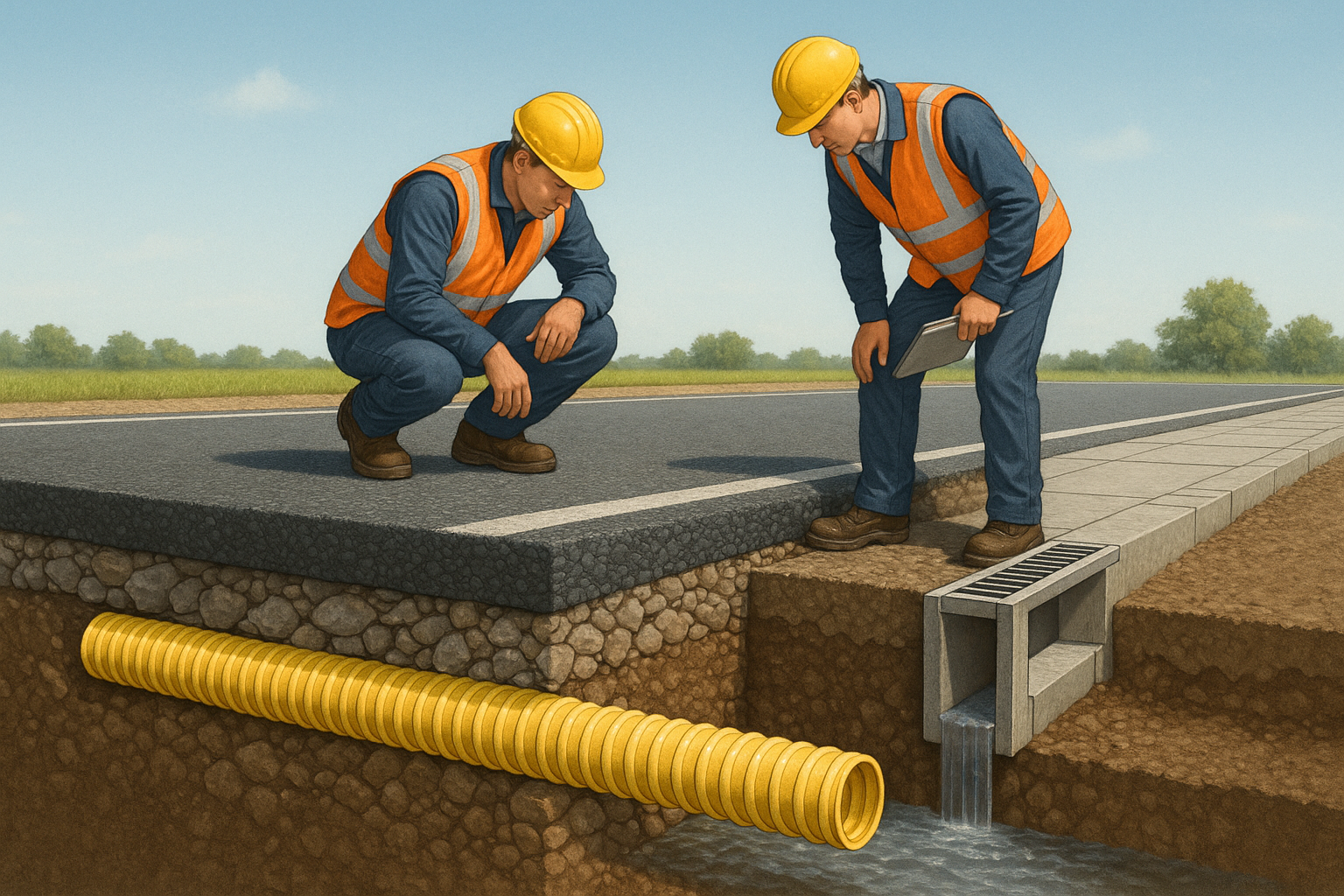
Effective infrastructure depends not only on durable materials but also on a well-integrated system where pavement design, drainage, and maintenance complement each other. Ignoring one element can compromise the entire structure’s performance, leading to premature failure and escalating costs.
The Role of Pavement in Infrastructure Longevity
Pavement provides the foundation for roads, parking lots, and walkways, designed to withstand traffic loads and environmental factors. Material choice, thickness, and layering must be carefully selected based on anticipated use and environmental conditions. However, even the most robust pavement is vulnerable without proper water management.
Why Efficient Drainage is a Game-Changer
Water is one of the biggest enemies of pavement integrity. Poor drainage allows water to accumulate on or beneath the pavement, weakening its structure and accelerating deterioration. Drainage systems—such as surface drains, sub-surface drains, and permeable pavements—are critical for directing water away and preventing waterlogging, frost damage, and erosion.
Maintenance: The Bridge Between Design and Durability
Regular maintenance ensures the pavement and drainage systems work as intended over time. Tasks such as crack sealing, cleaning drainage paths, patching potholes, and timely resurfacing prolong pavement life and prevent minor issues from escalating. Maintenance schedules should be informed by local climate, traffic volumes, and drainage conditions.
Practical Examples to Demonstrate Integration
Consider a highway project in a tropical region with high rainfall. Engineers incorporated a layered pavement structure with a strong base course and installed a comprehensive sub-surface drainage network to handle heavy runoff. Maintenance crews regularly inspect and clear drains before monsoon seasons, significantly reducing pavement failures related to water intrusion.
In contrast, an urban parking lot without adequate drainage experienced rapid pavement cracking and pothole formation caused by water pooling after rains. Proactive retrofitting of drainage channels combined with a targeted maintenance plan remedied the issue, illustrating the vital need for integrated design considerations.
In summary, pavement, drainage, and maintenance are interdependent components of resilient infrastructure. Holistic planning and ongoing care not only extend pavement life but also optimize project budgets and improve user safety. Whether you’re a student learning the fundamentals or a project owner managing assets, appreciating this relationship is indispensable for sustainable development.
Smart shopping starts here.
If you enjoyed this article, explore our curated products designed for everyday living.
📱 Download the Dralys App
🛍️ Shop now: www.DralysStore.com


