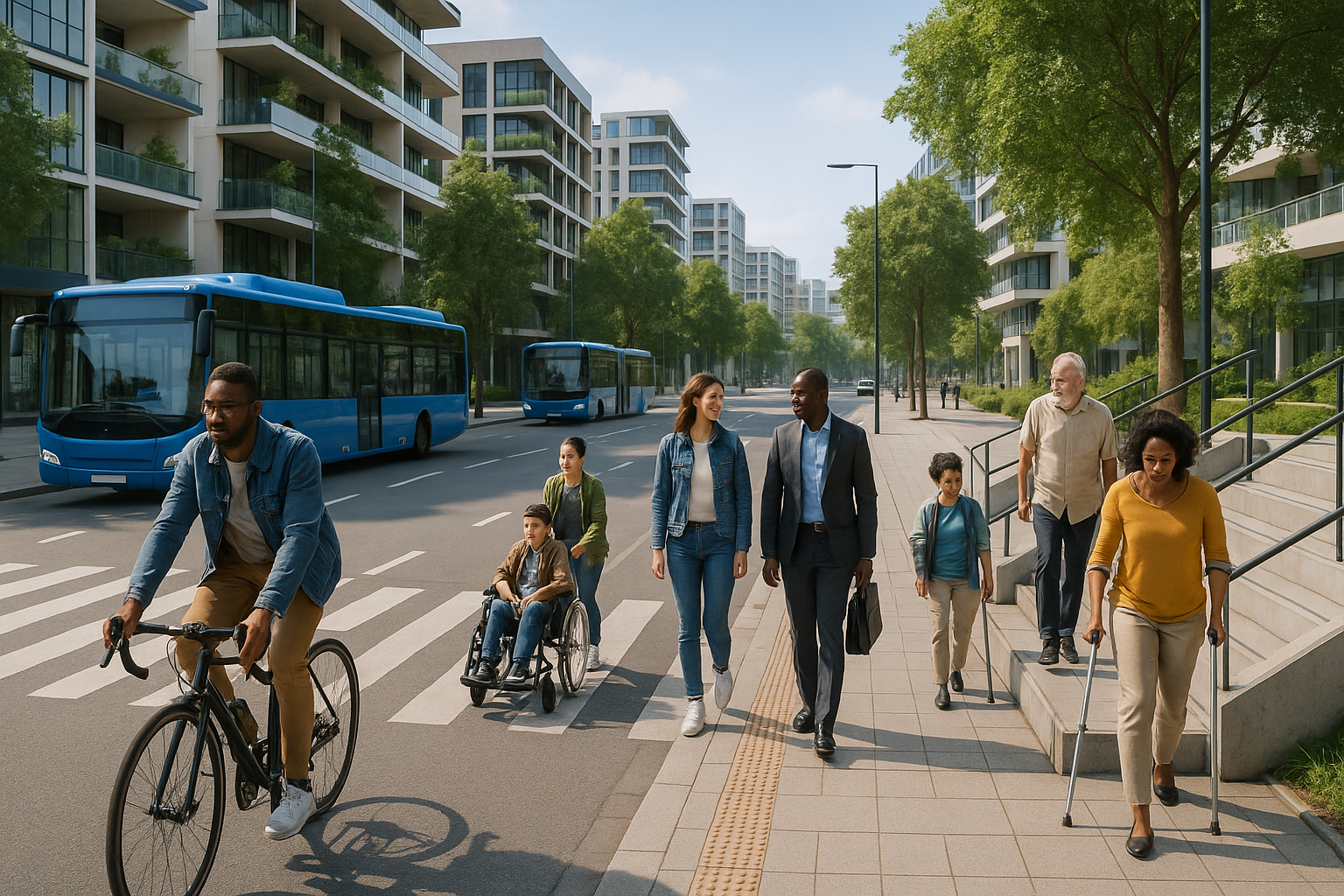
Understanding Community Needs Through Inclusive Engagement
Successful transportation planning starts with a deep understanding of the unique needs of a community. Engaging residents, local businesses, and advocacy groups ensures that systems reflect the daily realities of all users, including those with disabilities, the elderly, and low-income populations. Methods such as town hall meetings, surveys, and participatory design workshops help identify critical access gaps and inspire solutions tailored to specific contexts.
Integrating Multi-Modal Solutions for Seamless Connectivity
Communities benefit from transportation networks that combine walking, cycling, public transit, and personal vehicles into cohesive systems. Designing pedestrian-friendly streets, protected bike lanes, and efficient bus routes encourages sustainable mobility options. Technical planning tools such as GIS mapping and travel demand modeling can help pinpoint areas where multi-modal networks enhance accessibility and reduce congestion.
Leveraging Technology to Improve Access and Efficiency
Innovative technologies are transforming transportation access worldwide. Real-time transit apps, smart fare payment systems, and mobility-on-demand services enable users to plan trips with greater ease. Integrating these technologies with infrastructure planning ensures that communities can adapt to evolving mobility trends while prioritizing affordability and usability.
Case Study: Curitiba, Brazil — A Model for Integrated Transit Planning
Curitiba is renowned for its pioneering Bus Rapid Transit (BRT) system that connects diverse neighborhoods efficiently and affordably. By focusing on designated bus lanes, frequent service, and accessible stations, the city has enhanced mobility for millions. Its participatory planning process incorporated community input, helping align transit priorities with equity and sustainability goals.
Strategies for Project Owners: Balancing Cost, Impact, and Community Benefits
Project owners must navigate financial, environmental, and social considerations when improving transportation access. Adopting a phased rollout, securing public-private partnerships, and applying impact assessment frameworks can mitigate risks. Prioritizing projects that serve underserved areas first creates immediate community benefits and builds trust among stakeholders.
Planning transportation access with foresight and inclusivity is crucial for building thriving communities worldwide. By combining community engagement, multi-modal design, technological innovation, and strategic project management, stakeholders can deliver systems that foster equity, sustainability, and connectivity. As cities and regions evolve, thoughtful transportation planning will continue to be a cornerstone of resilient, accessible communities.
Smart shopping starts here.
If you enjoyed this article, explore our curated products designed for everyday living.
📱 Download the Dralys App
🛍️ Shop now: www.DralysStore.com