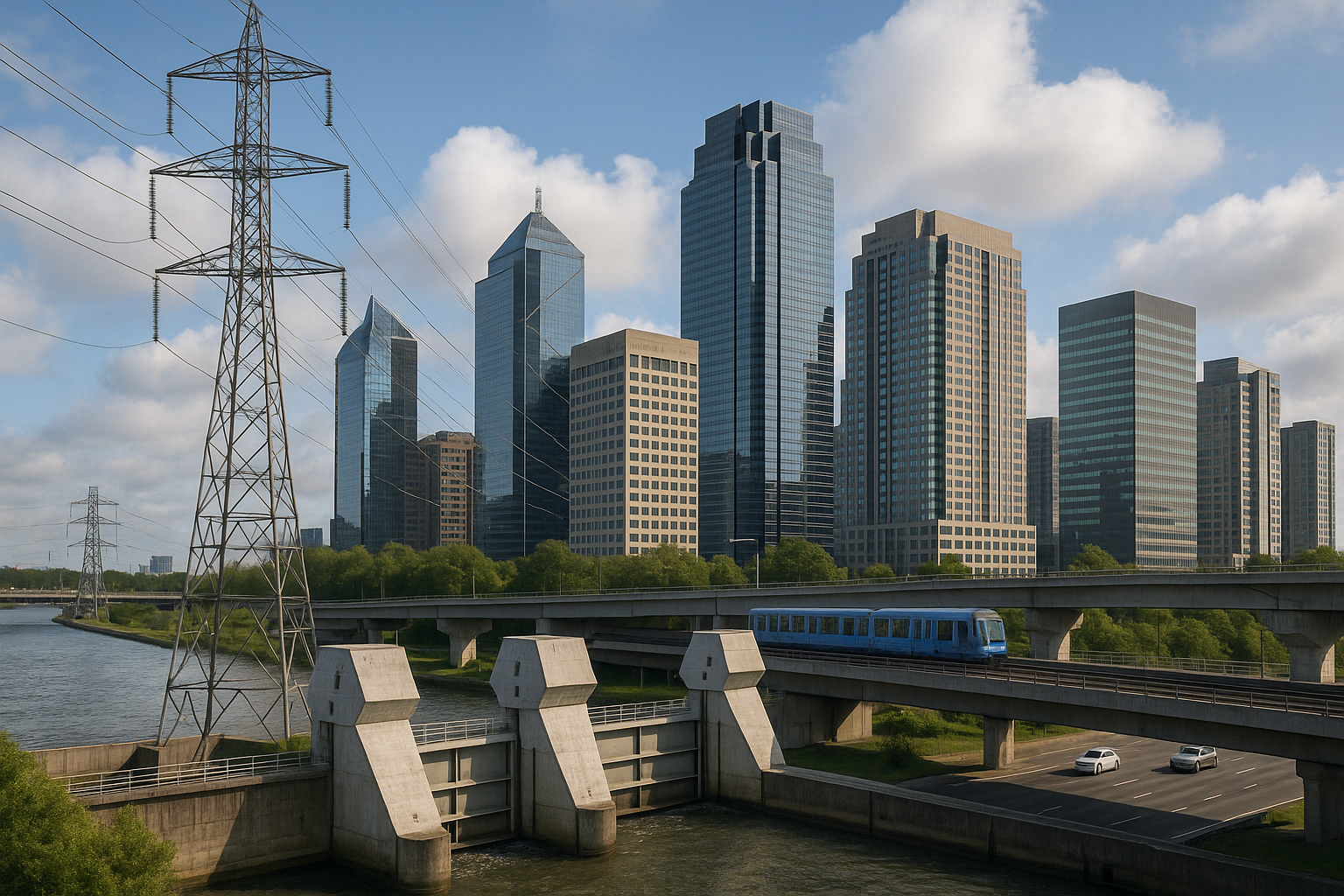
From the water we drink to the roads we travel, resilient infrastructure quietly sustains the quality and safety of our everyday lives. In an increasingly unpredictable world marked by natural disasters, climate change, and rapid urbanization, building infrastructure that can endure, adapt, and recover is essential for communities, economies, and individuals worldwide.
What is Resilient Infrastructure?
Resilient infrastructure refers to systems and structures designed to anticipate, absorb, adapt to, and rapidly recover from disruptive events such as floods, earthquakes, cyber-attacks, or power outages. Unlike conventional infrastructure, resilient designs prioritize flexibility, redundancy, and sustainability to maintain critical functions during crises.
Everyday Examples of Resilient Infrastructure
Take electricity grids equipped with smart technologies that reroute power automatically during faults, minimizing blackouts. Similarly, modern transportation networks integrate multiple routes and modes like bike lanes and public transit, offering alternatives if one path is compromised.
Water management systems that incorporate flood defenses and adaptive reservoirs help mitigate the effects of heavy rainfall and drought. Buildings constructed with materials that absorb seismic energy or elevated designs in flood-prone areas reduce damage and ensure safety.
The Role of Engineers and Designers
Engineers and designers play a pivotal role in creating resilient infrastructure by incorporating advanced materials, intelligent monitoring systems, and modular designs that facilitate quick repairs. Employing data analytics and simulation models enables the prediction of stress points and vulnerabilities, informing better project planning and risk reduction.
Benefits to Communities and Project Owners
For communities, resilient infrastructure means fewer disruptions, enhanced safety, and faster recovery after emergencies. Project owners benefit from lower lifecycle costs, improved reputations, and compliance with evolving regulatory standards focused on sustainability and disaster preparedness.
Investing in resilience is more than a technical decision—it is a commitment to safeguarding livelihoods and promoting social equity by ensuring that critical services remain accessible to all, regardless of future uncertainties.
Smart shopping starts here.
If you enjoyed this article, explore our curated products designed for everyday living.
📱 Download the Dralys App
🛍️ Shop now: www.DralysStore.com