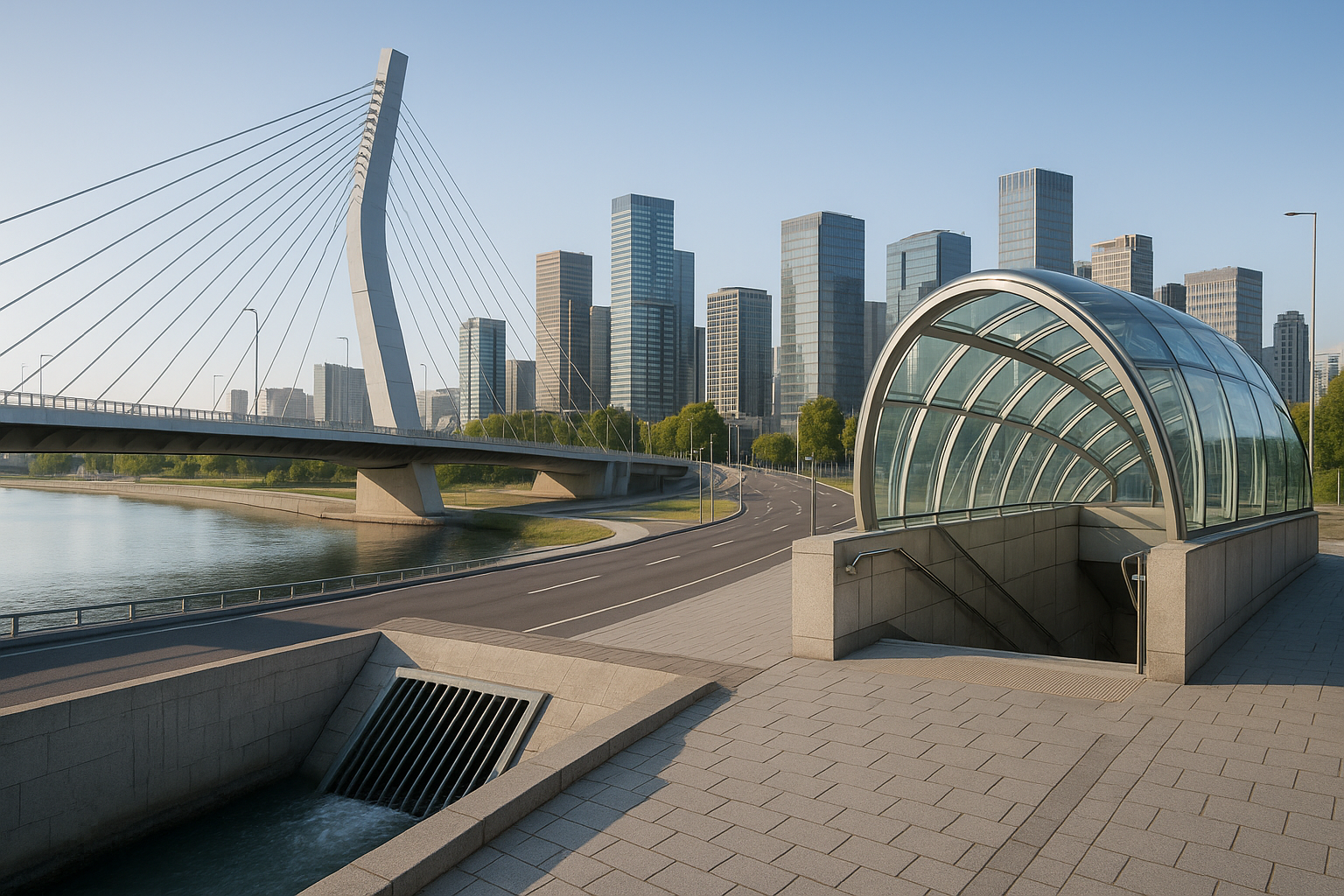
Public infrastructure forms the essential framework that supports the daily lives of millions, from roads and bridges to water systems and power grids. Planning these structures to last decades, if not centuries, demands careful foresight and innovative engineering strategies. Engineers must design with durability at the core, anticipating future challenges such as climate change, population growth, and evolving technology.
Understanding Environmental and Geotechnical Conditions
Before construction begins, engineers conduct thorough site analyses focusing on environmental factors like soil stability, seismic activity, flooding risks, and weather extremes. For example, bridges built in earthquake-prone regions undergo rigorous seismic design protocols to ensure stability during tremors. Similarly, coastal infrastructure incorporates protective measures against rising sea levels and storm surges.
Material Selection and Innovation
Choosing the right materials is critical to durability. Engineers evaluate factors such as corrosion resistance, tensile strength, and maintenance requirements. The use of advanced materials like fiber-reinforced polymers in bridges or high-performance concrete in tunnels extends service life and reduces maintenance costs. For instance, Singapore’s Marina Barrage uses cutting-edge materials designed for durability in a marine environment, ensuring long-term flood control and water supply.
Integrating Redundancy and Safety Factors
Durable infrastructure includes built-in redundancy, meaning key components have backups or margin of safety to prevent catastrophic failure. Road networks often feature multiple routes to accommodate detours during repairs or emergencies. Additionally, engineers apply safety factors during design to account for uncertainties, ensuring structures can handle loads beyond expected maximums.
Maintenance Planning and Lifecycle Management
Durability is not only about initial design but also ongoing maintenance. Engineers develop detailed lifecycle plans outlining inspection schedules, repair procedures, and budget forecasts. Technologies such as sensors and drones are increasingly integrated into infrastructure to monitor structural health in real time. For example, Japan employs sophisticated monitoring systems on their high-speed rail infrastructure to detect wear early and schedule proactive interventions.
Sustainability and Adaptability as Durability Drivers
Contemporary infrastructure planning emphasizes sustainability to enhance durability. Green building practices minimize resource consumption and environmental impact, increasing resilience. Adaptive designs allow infrastructure to evolve with changing needs; modular bridges or utility networks can be upgraded without complete reconstruction. The Netherlands’ innovative flood defenses incorporate adaptability, allowing adjustments as climate conditions evolve.
Planning durable public infrastructure is a complex but essential task that ensures societal resilience and economic stability. Engineers combine scientific knowledge, material innovation, safety principles, and forward-thinking management to create projects that benefit communities for decades. By embracing these practices, the next generation of infrastructure can weather the challenges of the future while delivering lasting value.
Smart shopping starts here.
If you enjoyed this article, explore our curated products designed for everyday living.
📱 Download the Dralys App
🛍️ Shop now: www.DralysStore.com