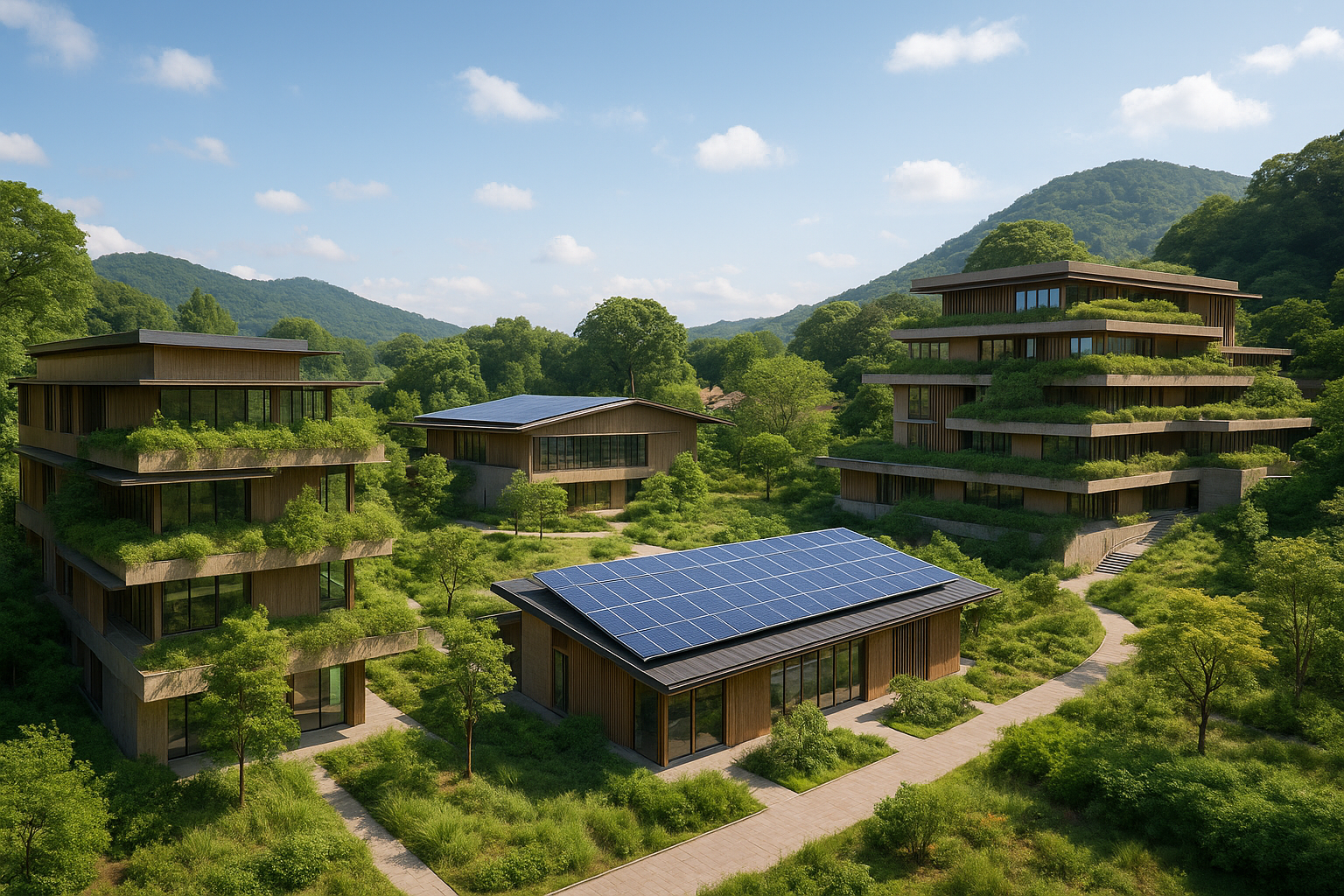
Modern building design goes beyond aesthetics and structural innovation; it deeply integrates with its surroundings. Site context refers to the physical, environmental, cultural, and social conditions of the location where a building is constructed. Taking this context into account is crucial for creating buildings that are not only visually compelling but also efficient, sustainable, and meaningful to their users.
Enhancing Sustainability Through Environmental Context
Climate, topography, and natural elements heavily influence how buildings perform. For instance, orientation relative to the sun affects natural lighting and heating, reducing energy consumption for lighting and HVAC systems. A building designed for a windy coastal site might incorporate wind-resistant materials and ventilation strategies that optimize airflow, reducing reliance on mechanical cooling.
Consider the Bullitt Center in Seattle, an exemplification of ecological design adapted to the Pacific Northwest’s rainy climate and abundant daylight. The building uses green roofs and rainwater harvesting aligned with local weather patterns, enabling a self-sufficient ecosystem that lowers environmental impact.
Respecting Cultural and Social Context
Buildings that reflect the community’s cultural identity foster a sense of belonging and pride. Incorporating local materials, aesthetics, and construction techniques not only keeps traditions alive but often reduces costs and environmental footprints. For example, vernacular architecture in desert regions often uses thick adobe walls and courtyards to manage heat naturally and create social spaces.
In locations with rich heritage, like Kyoto or Marrakech, site-sensitive modern buildings blend contemporary functionality with historical aesthetics, ensuring new developments harmonize with existing urban fabric.
Optimizing Functionality and User Experience
A thorough understanding of site context guides zoning, landscaping, and accessibility. The orientation towards views, proximity to transportation links, and integration of natural features like trees or water bodies improve occupant well-being. Designing with context can mitigate challenges such as noise pollution from nearby highways by employing strategic positioning and screening.
Take the example of the Eden Project in Cornwall, UK, where the biomes are thoughtfully nestled within a reclaimed clay pit. This merges human-made structures with the surrounding landscape, creating immersive educational environments that visitors experience in harmony with nature.
Reducing Risks and Increasing Longevity
Understanding geological and environmental risks at the site—such as flood zones, seismic activity, or soil stability—helps engineers design more resilient structures. A building overlooking a flood-prone river requires elevated foundations and waterproofing measures, whereas one in a seismic zone must incorporate flexible frameworks.
The Sendai Mediatheque in Japan exemplifies seismic resilience with its innovative structural design, directly responding to the earthquake-prone context of the region without compromising aesthetic vision.
Incorporating site context into modern building design is no longer optional but imperative. It holistically balances ecological sensitivity, cultural respect, user comfort, and structural integrity, leading to architecture that celebrates its environment while promoting long-term viability. For students, engineers, designers, and project owners alike, embracing site context is a powerful approach to crafting buildings that truly belong to their place and time.
Smart shopping starts here.
If you enjoyed this article, explore our curated products designed for everyday living.
📱 Download the Dralys App
🛍️ Shop now: www.DralysStore.com