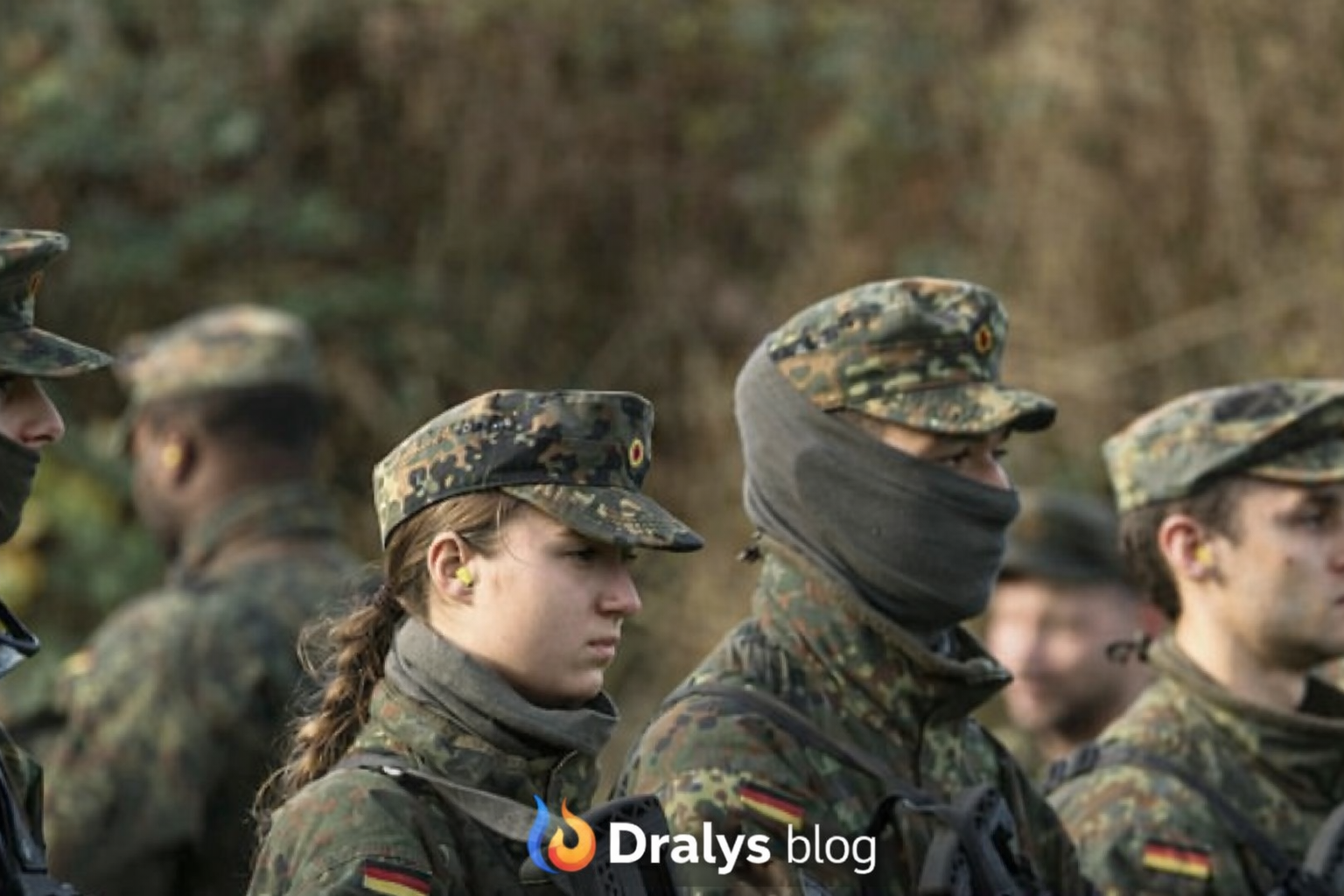
The Evolution of German Military Identity: Leadership, Society, and National Consciousness
In recent years, Germany has found itself at a pivotal crossroads, grappling with both its historical implications and its modern responsibilities. A significant transformation is unfolding within its military landscape, challenged not only by the need for modernization but also by the complex socio-political dynamics of contemporary European governance.
This metamorphosis is highlighted by the insights of Kate Connolly, a Guardian correspondent based in Berlin. She points to a marked shift in the societal perception of German soldiers. Where once wearing the uniform might have led to resentment or hostility from civilians, a new dialogue is emerging—one that fosters understanding and respect. As Connolly notes, recent interactions between soldiers and civilians indicate a budding normalization of military presence, contrasted sharply against the backdrop of historical reluctance.
The Need for Military Reinforcement
Germany’s military expansion can be traced to its reassessment of security threats in a rapidly evolving geopolitical landscape. The aftermath of conflicts and the rise of authoritarianism in various global regions have led many nations to reconsider their defense strategies. For Germany, this entails not only replacing outdated equipment but also addressing recruitment challenges and reinforcing military readiness within the framework of NATO commitments.
The German government’s efforts include recruitment campaigns aimed at younger generations, actionable plans for modernizing the Bundeswehr (the German armed forces), and a clearer articulation of its national defense strategy. These steps underscore a broader understanding of collective security and Germany’s role within international alliances. The leadership must navigate these challenges adeptly, balancing domestic sentiment with the demands of global strategy.
National Identity at Stake
This significant rejuvenation of military capabilities compels Germany to confront its identity—an endeavor that combines ethical considerations with societal implications. In a nation still sensitive to the repercussions of its past, recent military initiatives invite questions about nationalism, militarism, and the ethical dimensions of warfare.
As Germany expands its military, leaders are tasked with conveying a narrative that transcends historical burdens. They must emphasize a commitment to peace, stability, and responsible governance—essentially redefining what it means to be a supportive member of the international community. The recognition that soldiers deserve acknowledgment for their service represents a critical step towards reshaping public perception and fostering a more inclusive national identity.
Ethical Leadership and Governance
Amid this landscape of change, leadership ethics play a vital role. Ethical governance demands transparency and responsiveness, principles that must guide military expansion and recruitment efforts. It is incumbent upon leaders to engage with citizens openly, addressing fears and concerns about militarization while promoting a cohesive understanding of national defense.
Moreover, ethical considerations extend to how military power is utilized. As German leaders navigate foreign policy, they must weigh the consequences of military action against commitments to human rights and democratic values. Their decisions reflect not only on Germany but set precedents for international conduct, thereby necessitating a commitment to ethical reasoning in both strategy and execution.
Innovating for the Future
The intersection of military capability and innovative governance opens opportunities for collaboration and technological advancement. Germany’s focus on modernizing its armed forces invites investment not only in traditional military applications but also in cutting-edge technologies such as cyber defense, artificial intelligence, and robotics. These innovations not only enhance combat readiness but also promise to shape a new era of deterrence that harmonizes with ethical governance.
Leaders can leverage these advancements to foster partnerships across industries, promoting an environment where defense technology contributes to civilian applications—potentially advancing society as a whole. By positioning innovation at the heart of military reforms, Germany can establish itself not only as a potent military actor but as a leader in the responsible use of technology for peacekeeping and humanitarian missions.
Dralys Insight
The lessons emerging from Germany’s military evolution underscore the importance of leadership that is both ethical and resilient, fostering a society characterized by engagement and mutual respect. As countries around the globe grapple with similar dilemmas of identity and responsibility, several opportunities arise:
-
Reframing Military Identity: By cultivating positive civilian-military relationships, countries can affirm the roles of service members in safeguarding national interests while promoting peace.
-
Engaging in Dialogue: Open conversation about military needs can demystify the role of armed forces in society, allowing citizens to understand better and support defense initiatives.
-
Adopting Ethically Driven Governance: Leaders who prioritize ethical considerations in military expansion set benchmarks for responsible leadership, influencing global perceptions and alliances.
- Embracing Innovation: Investing in technology not only updates military capabilities but fosters civilian collaboration, offering pathways to greater societal benefits.
As Germany navigates this complex landscape, it charts a course that nations worldwide would do well to observe and emulate—showcasing how historical introspection can lead to a more robust, innovative, and ethically sound future.
Adapted for Dralys Insight from global reports and public sources.
Smart shopping starts here.
If you enjoyed this article, explore our curated products designed for everyday living.
📱 Download the Dralys App
🛍️ Shop now: www.DralysStore.com