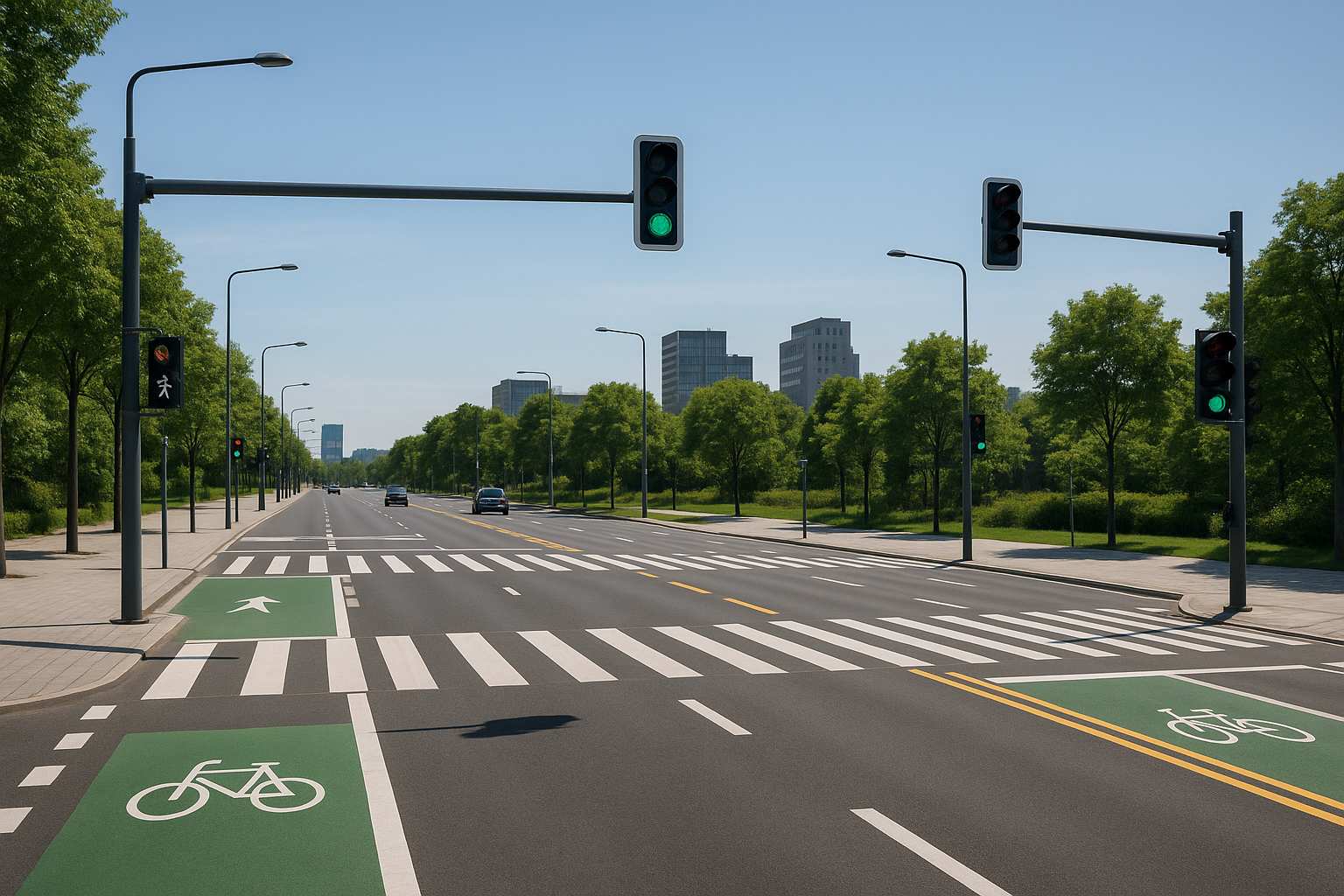
Contextual Road Design: Aligning Infrastructure with Environment
One fundamental principle in road design is tailoring the infrastructure to the surrounding environment and community context. Roads in urban areas require features that accommodate pedestrian traffic, frequent intersections, and public transit, while rural roads prioritize clear sightlines and higher speeds. For example, incorporating narrower lanes and curb extensions in urban neighborhoods can naturally slow traffic, reducing the risk of accidents.
Clear and Consistent Road Geometry
Road geometry, including alignment, lane widths, and shoulder design, directly influences driver behavior and safety. Smooth curves with adequate banking and consistent lane widths help drivers anticipate upcoming road conditions, minimizing sudden maneuvers. For instance, highway design standards often implement gradual curves and wide shoulders to give drivers sufficient reaction time and safe areas for emergency stops.
Effective Traffic Control Devices and Signage
Clear, visible traffic signals, signs, and road markings are critical for guiding drivers and pedestrians safely. Utilizing reflective materials and intuitive signs reduces confusion and improves decision-making. An example can be seen in roundabouts with prominent yield signs and well-marked pedestrian crossings, which have been shown to reduce conflict points and enhance traffic flow.
Accommodating Multi-Modal Users
Modern road designs increasingly account for a variety of users, including cyclists, pedestrians, and public transit. Providing dedicated bike lanes, pedestrian pathways, and well-planned transit stops encourages safer, more efficient travel for everyone. Cities like Copenhagen demonstrate this principle well by integrating seamless bike networks and pedestrian areas that coexist safely alongside vehicular traffic.
Incorporating Intelligent Transportation Systems (ITS)
The integration of technology such as adaptive traffic signals and real-time monitoring helps optimize traffic flow and enhance safety dynamically. For example, adaptive signals can change light timing based on current conditions, reducing congestion and the likelihood of rear-end collisions at intersections.
By applying these thoughtful design principles, transportation professionals can strike a balance between safety and mobility, creating roadways that serve the diverse needs of users worldwide. Continual innovation and adherence to context-sensitive solutions will pave the way for safer, more efficient travel environments.
Smart shopping starts here.
If you enjoyed this article, explore our curated products designed for everyday living.
📱 Download the Dralys App
🛍️ Shop now: www.DralysStore.com