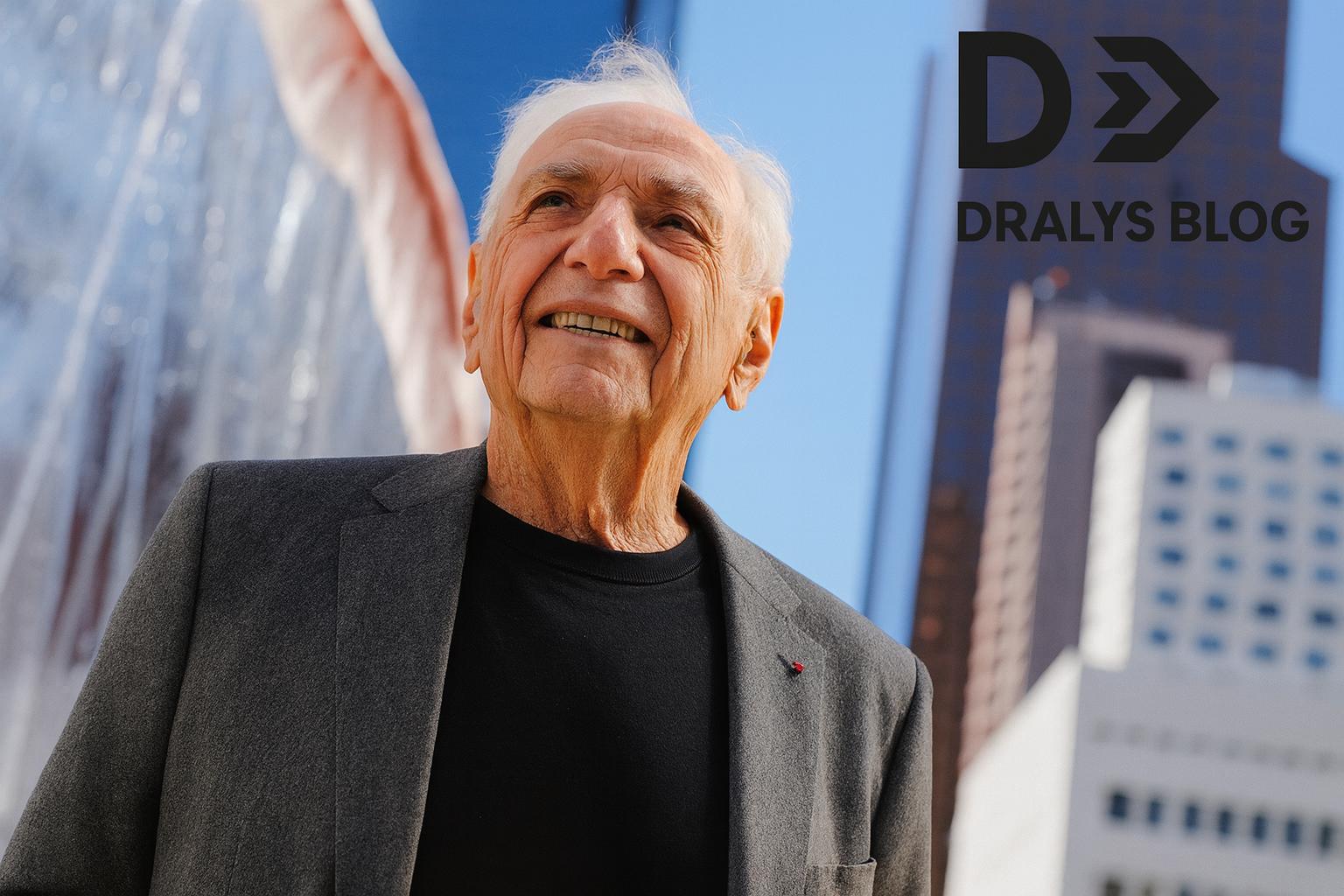
The Legacy of Frank Gehry: Innovation in Architecture and Leadership
Frank Gehry, the titan of contemporary architecture, passed away at the impressive age of 96, leaving behind a legacy that has significantly shaped both the field of architecture and societal perceptions of artistic expression. With an unparalleled experimental style, Gehry’s contributions were not merely about constructing buildings; they were about fostering deep cultural dialogues and pushing the boundaries of conventional design. His death marks the closing of an era defined by bold innovation and an artistic ethos that prioritizes creativity and unpredictability.
Born in Toronto in 1929, Gehry migrated to Los Angeles as a teenager to pursue his architecture degree at the University of Southern California. This move would set the stage for a career characterized by defiance against normative principles that once dictated architectural aesthetics. His early work, including the radical redesign of his own home in Santa Monica—a conversion of traditional materials like chain-link fencing and plywood—illustrated not only his visionary ideas but also an ethos of experimentation that resonated with the societal shifts of his time.
In a world increasingly seeking originality and authenticity, Gehry’s approach encapsulated the spirit of deconstructivism. This philosophy breaks away from the predictability of symmetric forms, instead celebrating non-linear shapes, disjointed elements, and even what some may perceive as imperfections. "I was rebelling against everything," he candidly admitted in an interview with The New York Times in 2012, encapsulating the audacity that drove his most seminal works. His rebellious spirit mirrored a society yearning for change, reflecting growing diversity in thought, art, and representation.
Gehry’s architectural brilliance reached an international stage with the unveiling of the Guggenheim Museum in Bilbao, Spain, in 1997—a definitive moment that would redefine how the world viewed modern architecture. This avant-garde structure, clad in shimmering titanium, not only transformed the physical landscape of Bilbao but also served as a catalyst for the city’s cultural and economic revitalization. The project heralded a new era in urban development, where architecture became an integral part of a city’s identity and narrative, illustrating the profound connection between aesthetics and governance in urban planning.
His subsequent works, including pivotal structures such as the Jay Pritzker Pavilion in Chicago’s Millennium Park and the Louis Vuitton Foundation in Paris, continue to push the envelope. They testify to Gehry’s belief that art can serve as a conduit for social interaction and community cohesion. His adaptability to various cultural contexts demonstrates a capacity for leadership not only in design but also in fostering social responsibility within the built environment.
The dynamism of Gehry’s designs—from Prague’s Dancing House, which appears to contort in a playful dance, to the wavy, multicolored sheets of metal forming the Hotel Marques—challenges our understanding of functionality and aesthetics. His work exemplifies how innovative design can resonate on deeply emotional levels, breaking the dichotomy between art and architecture, a reflection of contemporary society’s multifaceted nature.
Upon receiving the prestigious Pritzker Architecture Prize in 1989, Gehry not only celebrated personal achievement but also marked a significant shift in the recognition of architectural innovation. Here, the emphasis was on creativity, risk-taking, and the ability to inspire others—key tenets of effective leadership within any sphere. Gehry’s success encourages emerging leaders to embrace their uniqueness and to use their voices—often the loudest in times of dissent—to enact change and foster communities.
His passing leaves a void not merely in the architectural community but in the broader discourse on creativity, leadership, and cultural identity. As we reflect on his influence, we discover lessons pertinent to leadership, society, ethics, governance, and innovation. In particular, Gehry’s legacy prompts us to consider:
-
Embrace Unconventional Thinking: Innovation often arises from challenging the status quo. Leaders must cultivate environments where creativity can thrive, encouraging those around them to think differently and embrace radical ideas.
-
Prioritize Community Impact: Architecture—and indeed any form of leadership—should be grounded in the needs of the community. Leaders must understand that their decisions can shape not only physical spaces but also societal narratives.
-
Adaptability is Key: Like Gehry’s architecture, leaders must be flexible and willing to adjust their approaches in response to changing circumstances and diverse perspectives. This adaptability fosters resilience and prepares organizations to navigate the complexities of modern society.
-
Value Authenticity: Authentic expression, as seen in Gehry’s designs, cultivates trust and fosters genuine connections. Leaders should prioritize sincerity in their communication and actions, instilling a culture of transparency.
- Innovation Through Collaboration: Many of Gehry’s projects involved collaboration across disciplines, highlighting the importance of interdisciplinary partnerships. Leaders can foster innovation by creating collaborative environments that bring together diverse talents and perspectives.
Dralys Insight
Frank Gehry’s career offers profound insights for leaders across all sectors. His unwavering commitment to innovation and societal engagement serves as a blueprint for navigating contemporary challenges. Leaders today can draw from Gehry’s principles to inspire a new generation of thinkers and creators, emphasizing that true leadership involves a pursuit of not just excellence in one’s craft but a dedication to the betterment of society as a whole.
As we move forward, we have opportunities to harness this inspiration, realizing that the intersection of creativity and leadership can yield transformative results. By embracing authentic expressions and challenging norms, leaders can build communities that not only withstand but thrive amid the complexities of modern life. In honoring Gehry’s legacy, we are reminded of the vital importance of innovation, ethical leadership, and the role of architecture as a societal mirror reflecting our collective aspirations.
Adapted for Dralys Insight from global reports and public sources.
Smart shopping starts here.
If you enjoyed this article, explore our curated products designed for everyday living.
📱 Download the Dralys App
🛍️ Shop now: www.DralysStore.com