A New Approach to Managing National Parks: Insights on Governance, Ethics, and Innovation
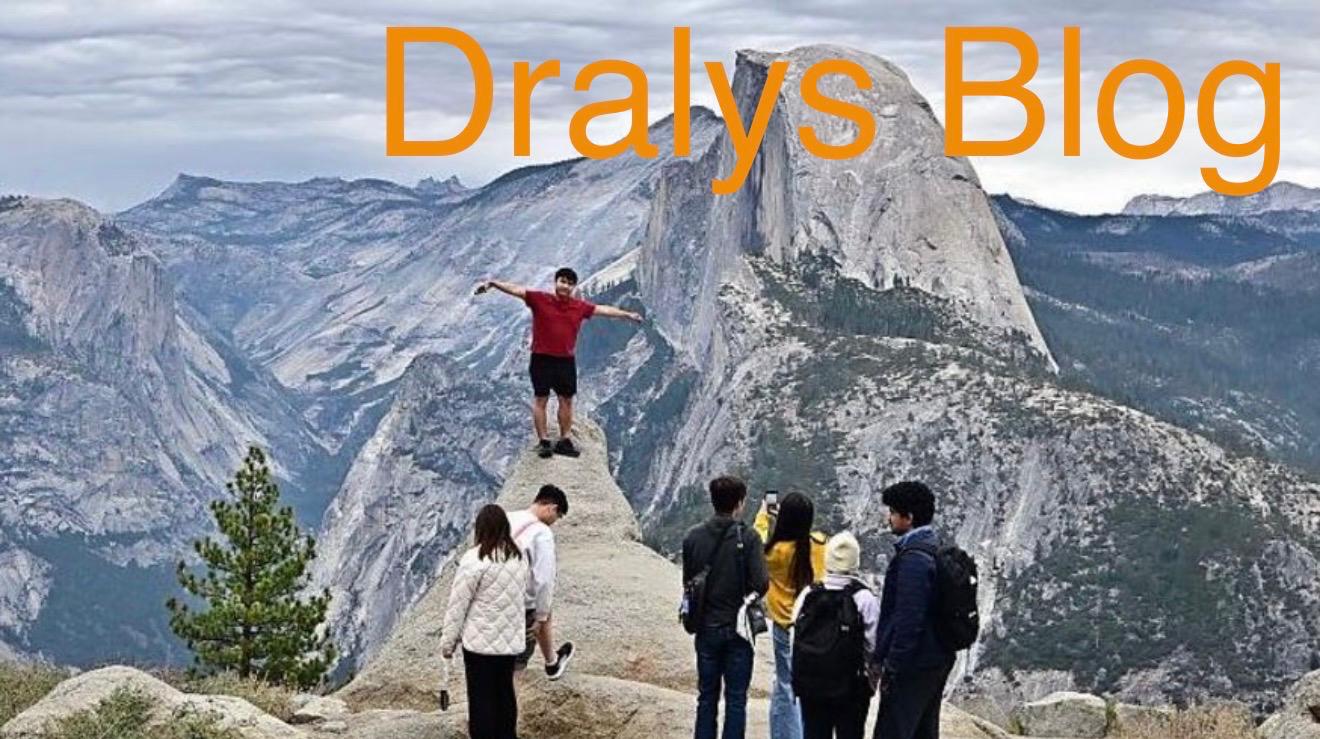
Recent policy changes regarding entrance fees for U.S. national parks illuminate significant themes in leadership, ethics, and governance. Under the Trump administration, a new fee structure was announced that requires international tourists to pay an additional fee of $100 to visit 11 of the most revered national parks, such as the Grand Canyon and Yosemite. As we delve into the implications of this policy, it’s essential to explore the broader context within which these changes are occurring—an intersection of societal values, fiscal responsibility, and environmental stewardship.
Defining the Policy
Effective 2026, the Department of the Interior plans to implement this fee hike as part of a larger strategy to prioritize the needs of American families while expecting international visitors to contribute more substantially to the sustainability of national parks. Secretary of the Interior, Doug Burgum, emphasized the rationale behind these adjustments, stating that "U.S. taxpayers, who already support the National Park System, continue to enjoy affordable access while international visitors contribute their fair share." This perspective underscores an approach that prioritizes domestic stakeholders while grappling with the realities of increasing tourism.
Ethical Implications and Societal Considerations
At the heart of this policy change is an ethical dilemma around inclusivity and equity in public access. National parks serve as treasured landscapes that embody ecological and cultural legacy, accessible to all. The introduction of higher fees for international visitors raises questions about whether it is ethical to differentiate access based on national identity, especially in a time when global mobility and tourism foster cross-cultural understanding and appreciation.
On one hand, there is a valid argument about ensuring that American citizens—who fund these natural reserves through tax contributions—retain superior access. On the other, one must consider the broader societal implications: Is it wise to place barriers to those who may wish to experience and learn from America’s natural splendor? The answer may lie in establishing a balanced framework that considers fair contributions while ensuring that global citizens can still engage meaningfully with these landscapes.
Governance and Strategic Innovation
This new fee structure aligns with a series of initiatives introduced by the Trump administration aimed at making public lands financially sustainable. However, the feasibility of these initiatives raises questions about how governance in this context can blend traditional stewardship with fiscal viability. While the revenue generated from international tourists is expected to fund conservation and maintenance efforts, history illustrates the challenges that come with balancing economic models and long-term ecological health.
As outlined by the Department of the Interior, the introduction of an upgraded online booking system and improved access infrastructure for park users are steps forward in embracing technology and innovation. However, the question remains: How can governance entities innovate further to ensure the financial health of national parks without compromising their accessibility and ecological integrity? Innovative solutions may include differential pricing models for non-residents, collaborations with local businesses to enhance visitor experiences, and leveraging technology for virtual engagement and education.
A System in Transition
The backdrop of record visitation—over 331 million visitors in 2024, a notable increase from previous years—illustrates the growing appreciation for U.S. natural landscapes. The challenge now lies in managing this influx sustainably, ensuring that infrastructure keeps pace with demand. More importantly, what does this mean for leadership at the federal level?
This policy serves as a litmus test for a leadership model that seeks not only to solve immediate financial pressures but also to facilitate long-term strategic vision. It requires acumen in balancing stakeholder interests—including governmental agencies, local communities, environmental groups, and visitors from around the world.
Dralys Insight: Lessons, Opportunities, and Innovations
The new fee structure for U.S. national parks provides lessons relevant not only to policymakers but to leaders across sectors. Here are key insights to consider:
-
Stakeholder Engagement: Effective governance thrives on inclusive dialogue. Leaders should prioritize engaging diverse stakeholders to address concerns while fostering understanding across different demographics.
-
Ethical Responsibility: Decision-making must encapsulate ethical considerations and anticipate societal impacts, ensuring that policies reflect the values of inclusivity and accessibility.
-
Innovation for Sustainability: Embrace technological advancements to enhance visitor engagement while exploring creative, equitable solutions for funding public land management. Collaborate across sectors to develop innovative financial models that support conservation.
-
Adaptive Leadership: As societal values evolve, so too must leadership approaches. Leaders must demonstrate adaptability to accommodate changing cultural attitudes toward nature, conservation, and global engagement.
- Balanced Access: Strive to find a middle ground that recognizes the financial contributions of domestic visitors while allowing international tourists to experience America’s natural wealth. This balance is crucial in fostering goodwill and promoting cultural exchange.
As we navigate the complexities of governance in public lands management, it is vital to remember that the stewardship of national parks involves not just preservation of the physical landscapes, but also nurturing the ethical and social dimensions of access, education, and appreciation for generations to come.
Adapted for Dralys Insight from global reports and public sources.
Smart shopping starts here.
If you enjoyed this article, explore our curated products designed for everyday living.
📱 Download the Dralys App
🛍️ Shop now: www.DralysStore.com