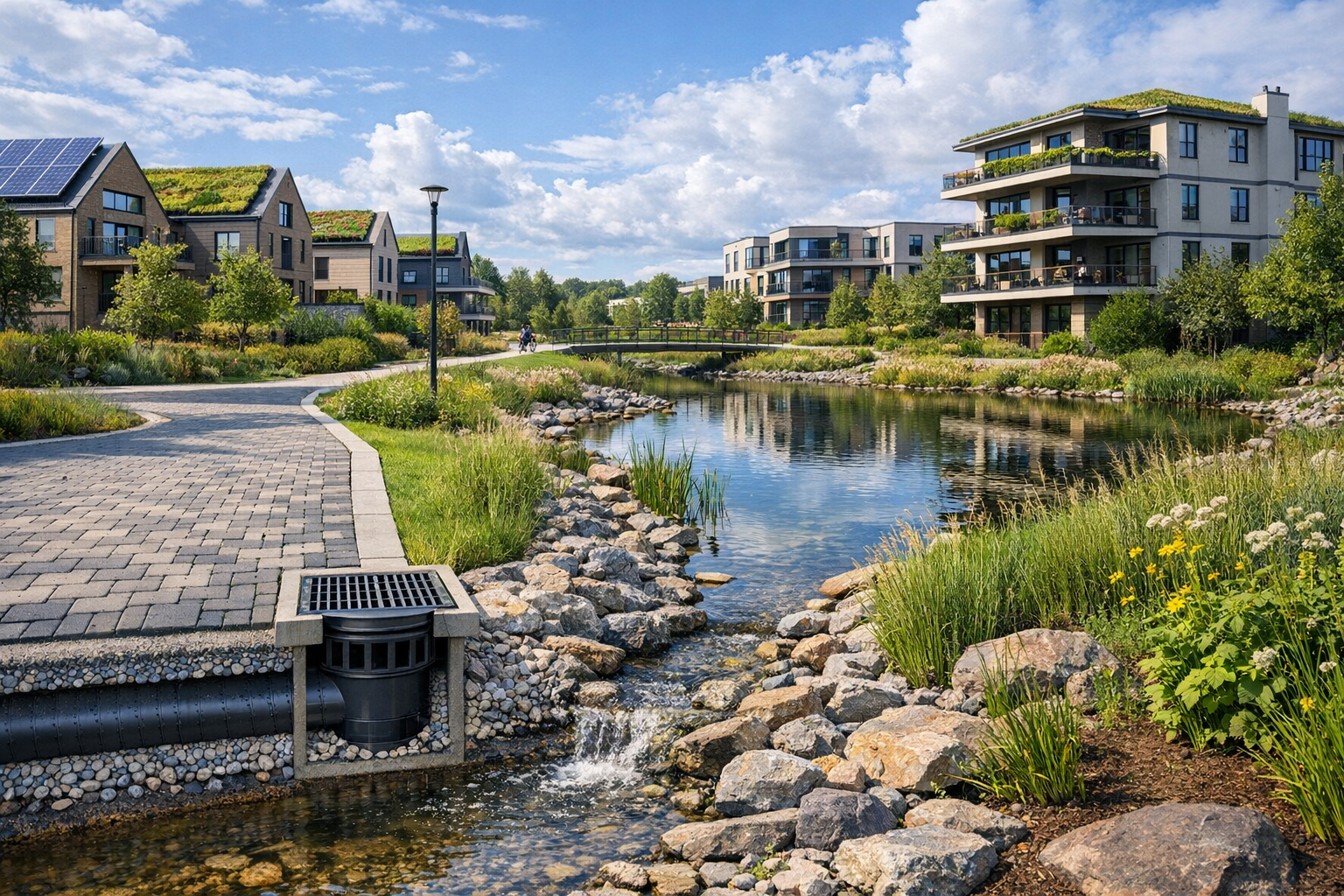
As communities expand and urbanize, managing stormwater and wastewater becomes increasingly critical. Proper drainage design is not just about diverting water—it plays a vital role in protecting public health, preserving natural ecosystems, and ensuring the longevity of infrastructure. This article explores how thoughtful drainage strategies contribute to sustainable growth and resilience in both urban and rural settings.
Understanding the Role of Drainage in Urban Development
Drainage systems channel excess water away from homes, roads, and public spaces, preventing flooding that can compromise safety and disrupt daily life. They also reduce waterlogging that damages foundations and leads to costly repairs. Beyond flood prevention, drainage controls water quality by filtering pollutants before water re-enters natural bodies like rivers and lakes.
Design Principles for Effective Drainage Systems
Well-designed drainage takes into account local climate, soil conditions, and topography to ensure water flows naturally and efficiently. Incorporating sustainable urban drainage systems (SUDS)—such as permeable pavements, green roofs, and rain gardens—helps mimic natural water cycles while improving groundwater recharge and reducing runoff.
Examples from Around the World
In Singapore, an extensive network of drains and canals integrates with reservoirs and green spaces, successfully managing stormwater in a highly urbanized environment prone to heavy rainfall. Similarly, Rotterdam uses innovative water plazas that temporarily store excess water during storms, transforming public spaces into multifunctional flood defenses.
In contrast, rural areas in sub-Saharan Africa benefit from roadside drainage innovations that prevent erosion and maintain farmland productivity, directly supporting local livelihoods.
Integrating Drainage Design into Growing Communities
To protect communities effectively, drainage design must be part of early urban planning stages and align with broader goals like climate resilience and environmental stewardship. Collaboration among engineers, architects, government officials, and community members ensures solutions are practical, affordable, and context-specific.
As population density increases and weather patterns become more unpredictable, embracing advanced drainage design is essential for safeguarding lives, property, and ecosystems. Through innovative and adaptive strategies, growing communities can thrive sustainably, turning water challenges into opportunities for enhanced resilience and quality of life.
Smart shopping starts here.
If you enjoyed this article, explore our curated products designed for everyday living.
📱 Download the Dralys App
🛍️ Shop now: www.DralysStore.com