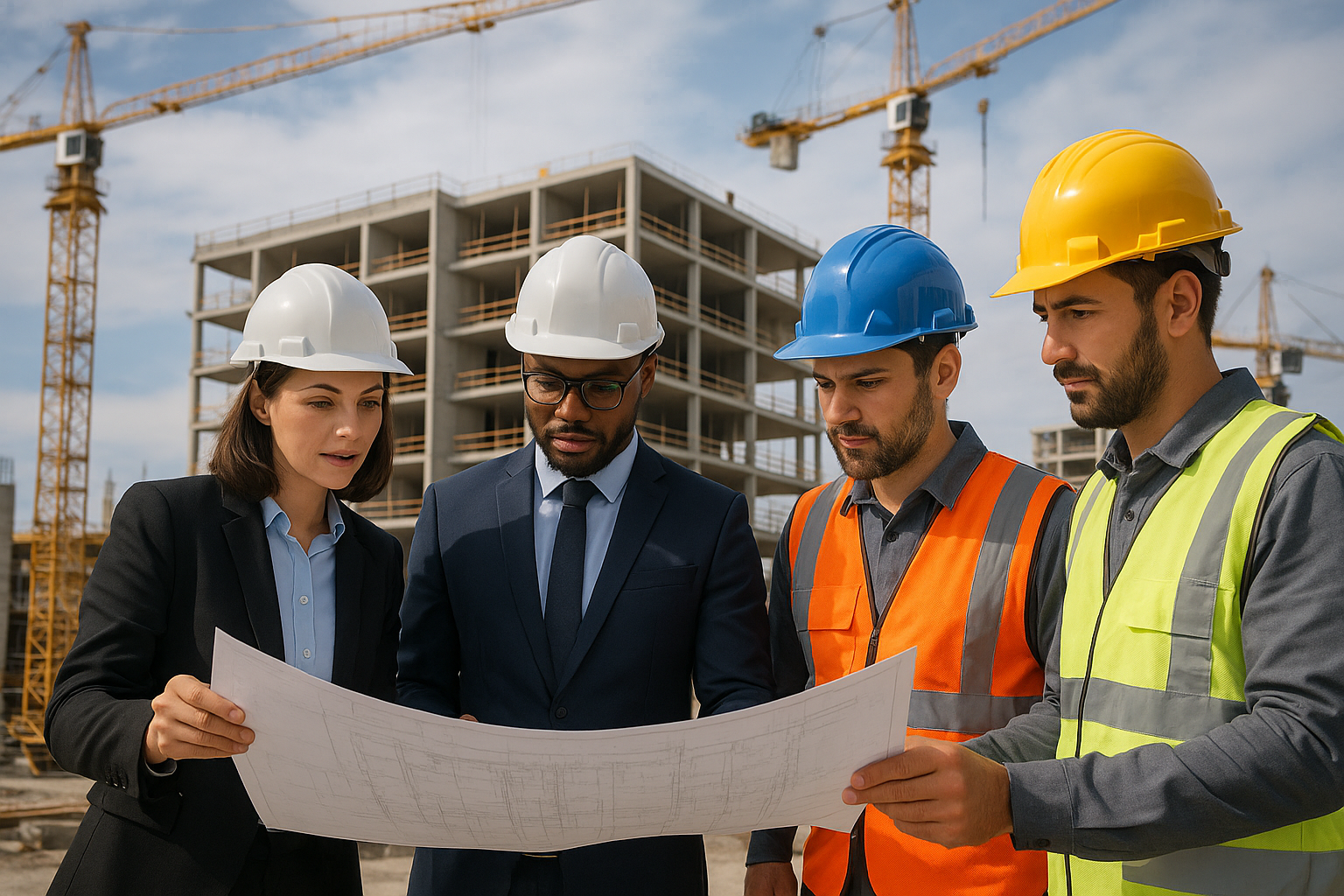
In construction, quality is not just about materials or design—it’s about how teams work together to bring a project to life. Effective project coordination acts as the backbone of this synergy, aligning schedules, resources, and communication channels to significantly improve construction quality.
Streamlined Communication Across Stakeholders
Construction projects typically involve architects, engineers, contractors, suppliers, and clients. Project coordination facilitates clear and continuous communication among these parties, reducing misunderstandings and rework. For example, a project coordinator who organizes weekly interdisciplinary progress meetings can pinpoint design clashes early and guide timely resolution, preventing costly delays and quality compromises.
Optimized Resource Management
Coordinating the procurement and use of materials, labor, and equipment ensures resources are available exactly when needed. Mismanagement can lead to rushed work or use of substandard materials. In one residential project, efficient scheduling of deliveries and on-site labor shifts helped the team maintain steady workflows and uphold strict quality standards without overtime or wastage.
Risk Identification and Quality Control
Through proactive coordination, potential risks impacting quality—such as design errors, weather disruptions, or labor shortages—can be identified early. Coordinators can implement contingency plans and prioritize inspections. A commercial development project benefited from this approach by introducing phased inspections aligned with milestone completions, catching defects before they compounded.
Consistency and Documentation Management
Project coordination ensures that designs, revisions, and quality control documents are consistently managed and accessible. This prevents confusion caused by outdated blueprints or conflicting instructions. For instance, a large infrastructure project utilized a centralized digital platform coordinated by the project team, maintaining version control and ensuring that on-site teams always worked from the latest specifications.
Practical Example: Coordination in a High-Rise Building Project
Consider a multinational high-rise construction where multiple subcontractors work simultaneously on different floors. A dedicated project coordination team synchronized timelines, oversaw material deliveries, and monitored safety protocols. This cohesion minimized errors such as concrete curing mismatches or electrical system clashes, directly enhancing structural integrity and finishing quality.
Ultimately, project coordination is not a supplementary task—it’s an essential mechanism that elevates construction quality from concept to completion. For students, engineers, designers, and project owners alike, embracing strong coordination practices can lead to more successful, durable, and high-quality construction outcomes worldwide.
Smart shopping starts here.
If you enjoyed this article, explore our curated products designed for everyday living.
📱 Download the Dralys App
🛍️ Shop now: www.DralysStore.com