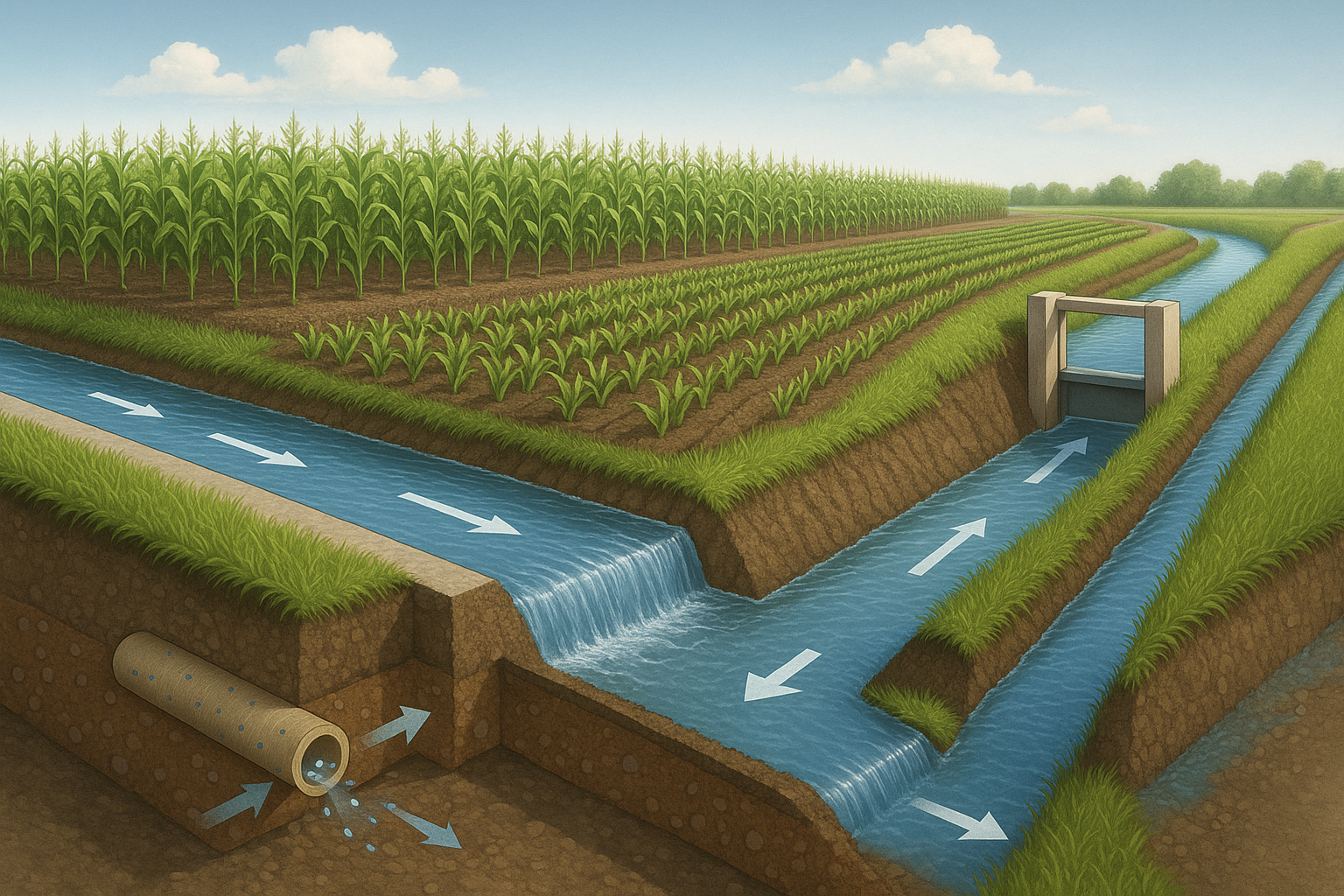
The Symbiotic Relationship Between Irrigation and Drainage
Irrigation and drainage are often viewed as separate components of water management. However, they function as two halves of the same system. Irrigation delivers water necessary for crop growth, while drainage removes excess water that can damage soil structure, leach nutrients, and harm plant roots. Planning them together allows for balance, preventing waterlogging and salinity issues that jeopardize crop yields.
Enhancing Agricultural Productivity Through Integrated Planning
When irrigation and drainage are designed simultaneously, water application can be precisely controlled to meet crop needs without overwhelming the watershed. For example, in rice paddies, where water saturation is integral, effective drainage channels are necessary to regulate water levels and avoid stagnant water that fosters pests. Integrated planning ensures such delicate balances are maintained, thus maximizing productivity.
Protecting Soil Health and Preventing Environmental Degradation
Excess irrigation without adequate drainage can lead to rising water tables, causing salinization and soil degradation. Conversely, poor irrigation planning can overwhelm drainage infrastructure, causing flooding and contamination of downstream water bodies. An example is an orchard in arid regions where poorly planned irrigation led to salt buildup; the implementation of coordinated drainage systems helped mitigate soil salinity and restored long-term site viability.
Cost Efficiency and Infrastructure Longevity
Separately planned systems often result in redundant construction and maintenance costs. Coordinated designs offer optimized layouts that reduce material usage, labor, and energy consumption. For instance, projects that incorporate combined water conveyance structures, serving both irrigation supply and drainage disposal, benefit from reduced capital expenditures and extended system lifespan.
Adapting to Climate Change with Resilient Water Management
Changing climate patterns bring unpredictable rainfall and drought cycles. Integrated irrigation and drainage systems provide the flexibility needed to respond dynamically—storing excess water during heavy rains and conserving it during droughts. This holistic approach strengthens resilience, ensuring sustainable water supplies for agriculture and communities.
Ultimately, the key to effective water management lies in recognizing the inherent connection between irrigation and drainage. By planning these systems together, students, engineers, designers, and project owners can deliver sustainable, cost-effective, and climate-resilient solutions that safeguard agricultural productivity and environmental health worldwide.
Smart shopping starts here.
If you enjoyed this article, explore our curated products designed for everyday living.
📱 Download the Dralys App
🛍️ Shop now: www.DralysStore.com