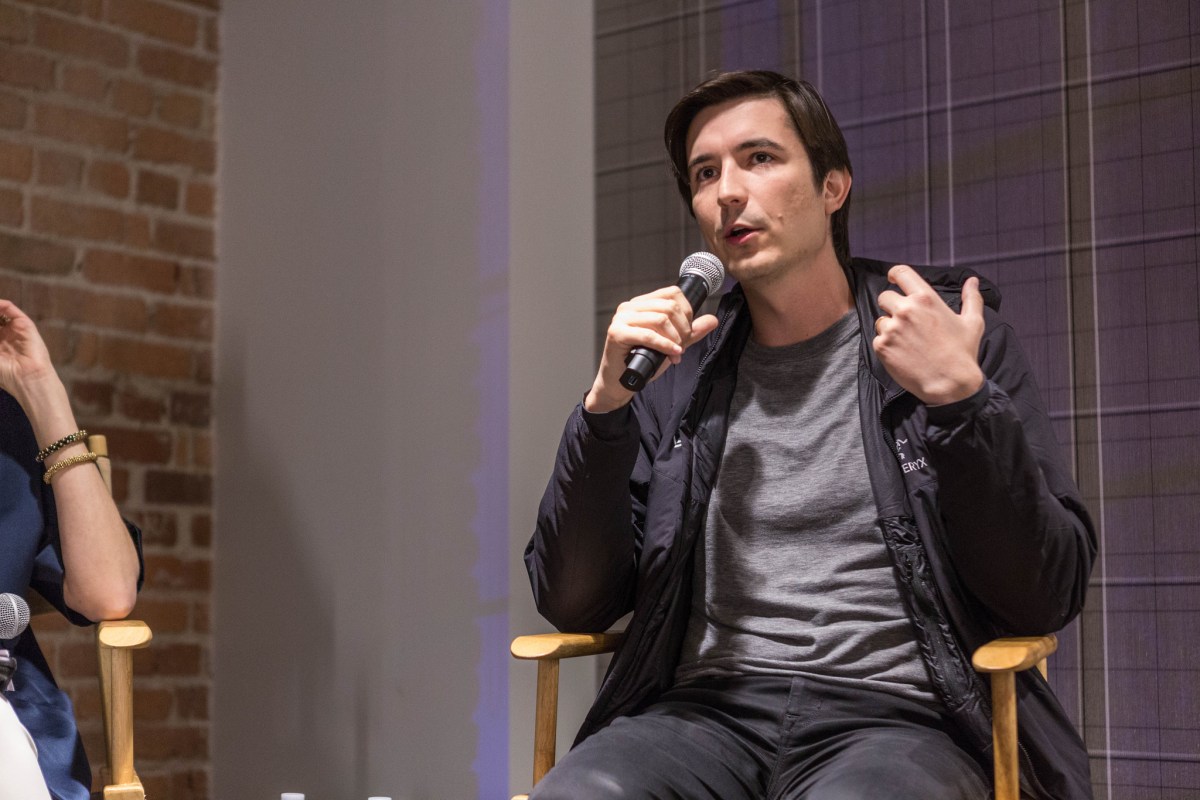
Retail investors are famously locked out of the startup world. Robinhood is attempting to change that by allowing the general public to invest in a portfolio of what it calls “some of the most exciting private companies operating today.”
To do this, the company that pioneered the commission-free brokerage model has secured access to eight startups, including Databricks, Stripe, Mercor, and Oura, and has grouped them into a vehicle called Robinhood Ventures Fund I. The fund, which also includes Ramp, Airwallex, Revolut, and Boom, launched last month with an ambitious $1 billion target. Still, demand for this novel way to invest in private companies was lower than expected.
On Thursday, Robinhood announced the fund had raised $658.4 million, which could reach $705.7 million if underwriters exercise their full allotment. The shares, priced at $25 in the offering, began trading on Friday and closed the day at $21, a 16% decline.
RVI’s reception on Wall Street stands in stark contrast to another attempt to give individual investors exposure to buzzy startups. When Destiny Tech100 — a publicly traded, closed-end fund holding stakes in 100 venture-backed companies, including SpaceX, OpenAI, and Discord — went direct-listed on the NYSE in March 2024, its shares surged from a reference price of $4.84 to an opening trade of $8.25, eventually closing its first day at $9.00.
Destiny Tech100 has continued to climb since its public debut. The fund closed trading on Friday at $26.61, a 33% premium to its net asset value of $19.97, meaning its shares trade well above the actual value of its underlying holdings.
So what explains why retail investors aren’t nearly as excited about Robinhood’s fund as they are about Destiny Tech 100? The most likely explanation is RVI’s lack of exposure to the companies widely expected to go public at enormous valuations: OpenAI, Anthropic, and SpaceX.
Robinhood is looking to address this. RVI intends to add more startups to the fund, eventually aiming to hold what Robinhood Ventures President Sarah Pinto described to TechCrunch as “15 to 20 of the best late-stage growth companies out there.” The company’s CFO, Shiv Verma, told Axios Pro on Friday that Robinhood is eyeing exposure to OpenAI.
TechCrunch event
San Francisco, CA
|
October 13-15, 2026
But securing access to these high-profile companies is far from straightforward. Robinhood is aiming to get onto its cap table through primary capital raises or secondary share sales — and that’s difficult even for a firm with deep roots in Silicon Valley.
A cap table — the official record of who owns equity in a company — is closely guarded at most high-profile startups, and winning a spot on one requires either being invited by the company or purchasing shares from existing investors with the company’s blessing.
“It’s very difficult to get into any of these companies, and the investment rounds are very expensive,” acknowledged Pinto.
That is just one of the reasons democratizing private markets is easier said than done, and why the companies most retail investors actually want to own remain, for now, out of reach.
Published by Dralys Blog – Stories | Insights | Innovation
Discover more on DralysStore.com
Smart shopping starts here.
If you enjoyed this article, explore our curated products designed for everyday living.
📱 Download the Dralys App
🛍️ Shop now: www.DralysStore.com

1 comment
m