Dralys Insight | Global Security & Governance
Pentagon Confirms Deadly Pacific Strike Amid Rising Questions on Force, Law, and Global Security
A deeper look at the leadership, ethics, and international implications behind the latest U.S. maritime operation.
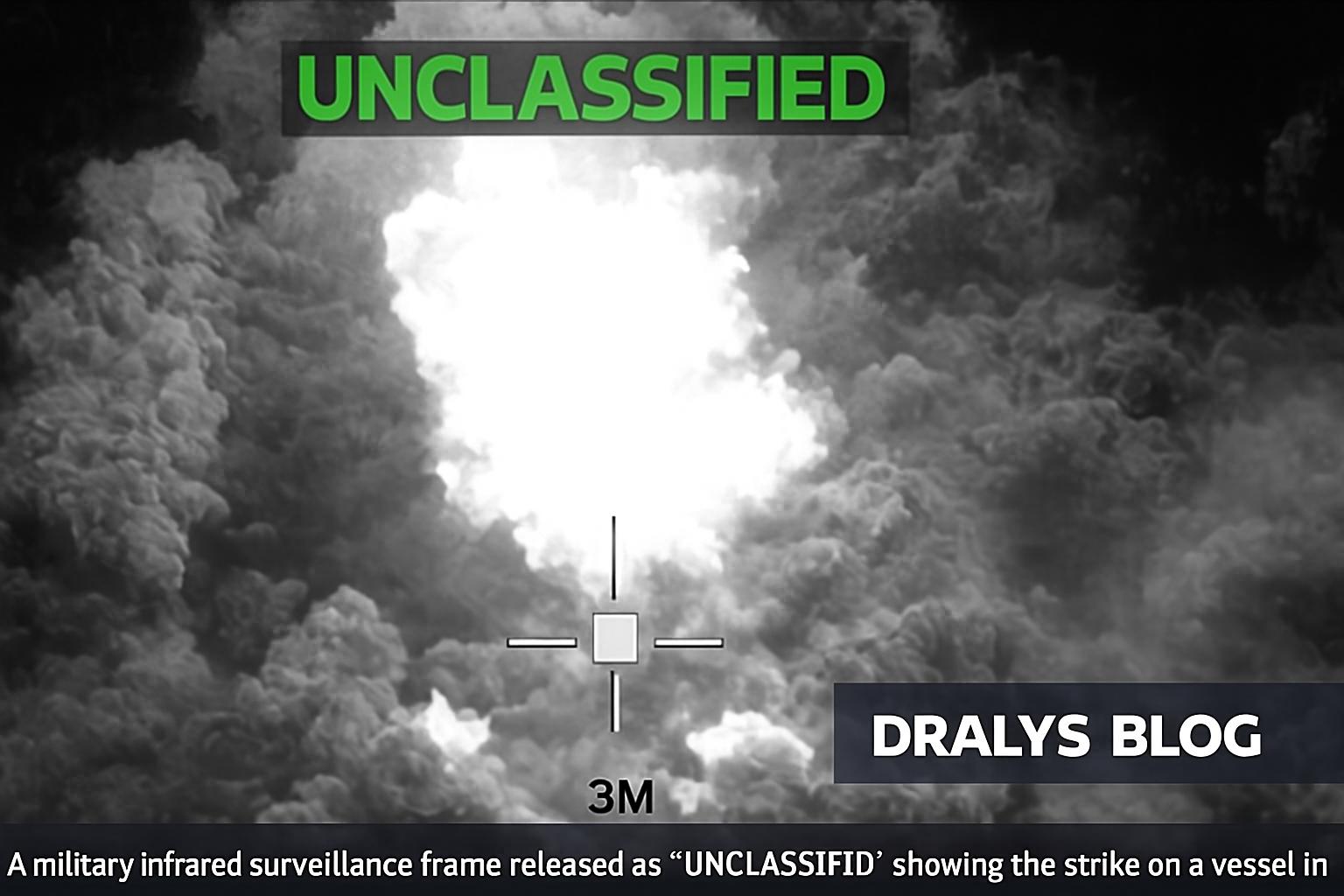
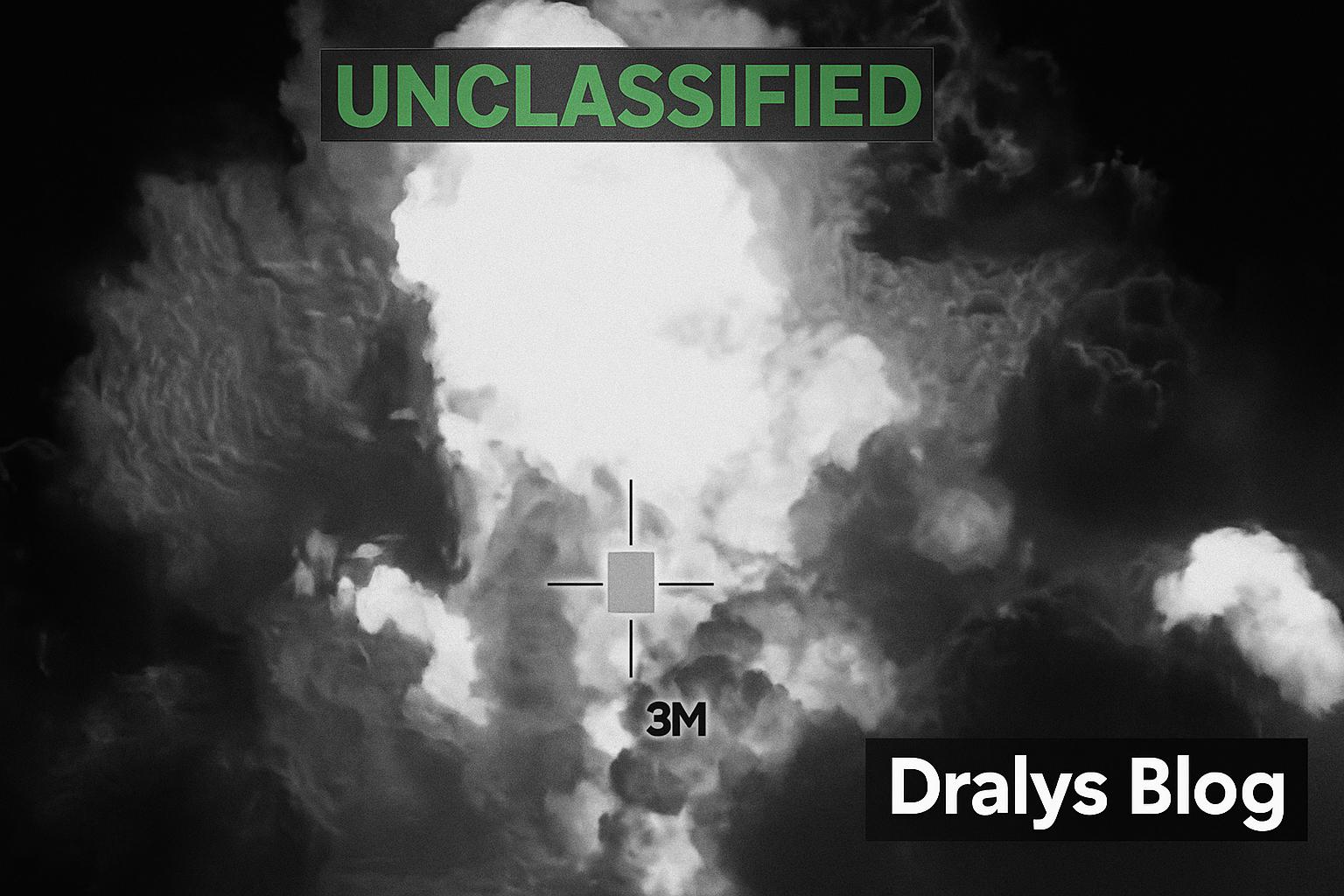
The Pentagon has confirmed that four men were killed during a U.S. military operation in the eastern Pacific, marking another escalation in Washington’s strategy to disrupt maritime narcotics networks.
U.S. Southern Command reported that the strike targeted a vessel allegedly transporting illegal narcotics along a well-known trafficking route.
According to the official statement, the mission was authorized by Defense Secretary Pete Hegseth, who directed Joint Task Force Southern Spear to conduct
what was described as a “lethal kinetic strike” in international waters.
The vessel was reportedly operated by a group designated as a terrorist organization, prompting a military-level intervention rather than a traditional law enforcement response.
A New Frontier in Maritime Counter-Narcotics
U.S. officials emphasized that intelligence confirmed the vessel was carrying illicit narcotics and navigating a corridor frequently used by transnational criminal organizations.
Labeling the individuals aboard as “narco-terrorists” suggests a broader shift in how the U.S. classifies and responds to criminal activity at sea.
This approach signals that Washington views certain trafficking networks as not only criminal threats but also as extensions of global terrorism therefore justifying the use of military force.
Pentagon Confirms Deadly Pacific Strike | Dralys Insight
Legal, Ethical, and Governance Challenges
The strike has reignited debate about the legal and ethical parameters of using lethal military force outside conventional war zones.
Lawmakers, legal experts, and international observers are raising critical questions:
- What legal frameworks authorize such strikes in international waters?
- How is proportional force defined when no direct threat to U.S. personnel exists?
- What verification processes occur before acting on intelligence?
- What oversight mechanisms ensure transparency and accountability?
These concerns intensified after a previous incident in September, when two survivors clinging to debris were reportedly killed in a follow-on strike.
Investigations were promised, but clarity remains limited.
International Waters, International Consequences
Military actions in international waters have far-reaching diplomatic effects. These operations contribute to shaping:
- Global norms on the use of military force
- Regional maritime security strategies
- International cooperation on counter-narcotics
- Perceptions of U.S. leadership and accountability
As technology accelerates and surveillance becomes more advanced, the gap between capability and governance widens creating new complexities for global security.
The Strategic Case Behind the Strike
Supporters of the Pentagon’s approach argue that transnational trafficking networks now operate with the structure and influence of insurgent groups.
Narcotics revenue finances weapons, corruption, and regional destabilization.
Quick, precise action at sea is seen as a preventive measure that disrupts these networks before drugs reach borders and communities.
From this perspective, maritime strikes are part of a broader security strategy focused on deterrence, interdiction, and regional stability.
Dralys Insight: Leadership, Ethics & The Future of Global Security
This incident underscores several essential lessons for leaders, policymakers, and global thinkers:
- Security without transparency is fragile. Military success must be matched with governance, oversight, and public trust.
- Technology shapes new global norms. Precision weapons and remote operations demand updated international laws and ethical frameworks.
- Transnational crime requires transnational solutions. Intelligence cooperation, shared strategies, and regional alliances are now non-negotiable.
- Ethical leadership strengthens credibility. Nations that balance force with accountability gain long-term legitimacy.
- Governance matters as much as power. Sustainable global security depends on strong institutions, not only military capabilities.
As maritime security evolves, the world faces a defining question:
How do nations protect themselves while honoring international law, human rights, and ethical responsibility?
Smart shopping starts here.
If you enjoyed this article, explore our curated products designed for everyday living.
📱 Download the Dralys App
🛍️ Shop now: www.DralysStore.com